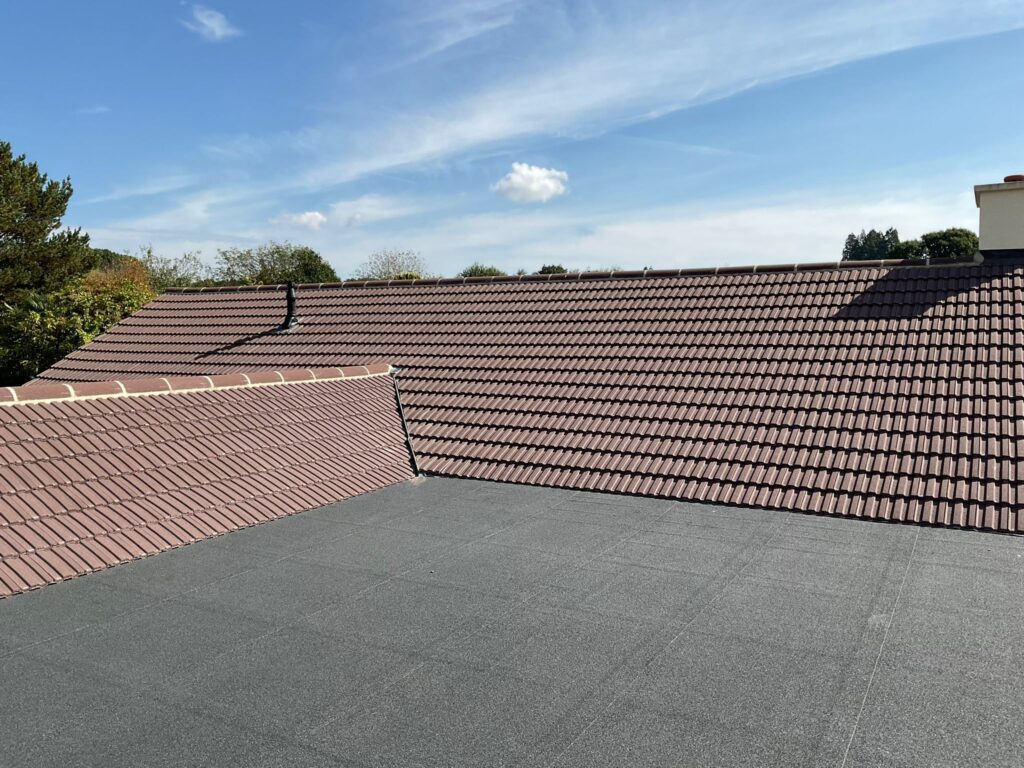
Fallen branches can cause significant damage to a roof, particularly during periods of strong winds, heavy rain or severe weather. Even a relatively small branch can dislodge roof tiles, damage flashing or create an opening that allows water to enter the property. Larger branches may cause more serious structural damage, making it important to assess the situation promptly.
For homeowners in Didcot, Oxfordshire, knowing when roof damage requires emergency attention can help prevent further deterioration and protect the property. While some damage may appear minor from ground level, hidden defects can allow moisture to enter the roof space and affect the structure over time.
How Fallen Branches Can Damage a Roof
The extent of roof damage depends on the size, weight and direction of the falling branch, as well as the condition of the existing roof covering. A branch that strikes the roof directly can affect several components at once.
Common types of damage include:
- Broken or displaced tiles: The impact may crack, loosen or completely dislodge roof tiles, exposing the underlying layers to rainwater.
- Damaged flashing: Branches can disturb the lead flashing around chimneys, roof junctions and other vulnerable areas.
- Punctured roof coverings: Larger or sharper branches may penetrate felt, membranes or flat roofing materials.
- Damaged gutters and fascias: Falling debris can bend guttering, loosen brackets or break sections of the roofline.
- Structural damage: A particularly heavy branch may damage roof battens, rafters or other supporting components.
Even when the visible damage seems limited, the roof should be checked to establish whether the impact has affected the layers beneath the external covering.
When Should You Arrange Emergency Roof Repairs?
Not every fallen branch requires immediate roofing work, but certain situations should be treated as urgent. The priority is to prevent water entering the property and avoid exposing occupants to further danger.
When There Is an Active Roof Leak
If water is entering through the ceiling or loft following a branch impact, emergency attention is advisable. Water can spread through insulation and timber structures, potentially causing further damage if the opening remains exposed.
If it is safe to do so, move furniture and belongings away from the affected area and use a container to collect dripping water. Avoid touching wet electrical fittings or attempting to access a damaged roof yourself.
When Tiles or Roofing Materials Have Fallen Away
Missing tiles leave sections of the roof vulnerable to rain and wind. If a branch has broken through the roof covering or left a noticeable opening, prompt repairs may be necessary to prevent further water ingress.
Loose roofing materials can also fall from the property, creating a hazard around entrances, paths and garden areas. Keep clear of the affected section until it has been assessed.
When the Roof Structure Appears Damaged
A heavy branch can cause more than surface-level damage. Sagging roof sections, cracked timbers, visible movement or damage around the roofline may indicate that the supporting structure has been affected.
These signs should never be ignored. Keep people away from the affected area and arrange an urgent professional assessment before any repair work is attempted.
When Bad Weather Is Expected
A damaged roof can become more vulnerable if further rain or strong winds are forecast. An opening that currently appears manageable may allow considerably more water inside during the next period of poor weather.
Where the roof has been exposed, a roofer can assess whether temporary protection is needed before permanent repairs are carried out.
What to Do Immediately After a Branch Falls on Your Roof
Taking sensible precautions can help reduce further damage while waiting for professional assistance.
- Keep a safe distance: Do not climb onto the roof or attempt to remove branches yourself, particularly if they are large, unstable or tangled with cables.
- Check for internal damage: From a safe position, look for ceiling stains, dripping water or visible damage in the loft.
- Protect belongings: Move items away from leaks where possible, without entering an unsafe area.
- Watch for structural warning signs: Sagging ceilings, unusual cracking or visible roof movement require urgent attention.
- Arrange a roofing inspection: Contact a professional roofer to assess the damage and determine what repairs are needed.
If a fallen branch is touching overhead electrical cables, stay well clear and contact the appropriate emergency service provider.
Why a Professional Roof Inspection Is Important
The full extent of impact damage is not always immediately visible. A branch may dislodge tiles without breaking them, damage the underlay beneath the roof covering or disturb flashing around a chimney.
A professional inspection helps identify both visible and hidden defects. The roofer can assess the condition of the affected tiles, roofline, underlay and supporting structure before recommending suitable repairs.
Depending on the findings, the work may involve replacing broken tiles, repairing flashing, restoring damaged flat roofing or addressing affected roof timbers. Any temporary protection should be appropriate for the condition of the roof and the surrounding safety risks.
Preventing Future Roof Damage from Trees
Although falling branches cannot always be prevented, regular attention to nearby trees can reduce the likelihood of damage. Look out for dead or weakened branches, excessive overhanging growth and signs that a tree may be unstable.
Where necessary, arrange professional tree maintenance to manage branches that extend over the property. It is also sensible to check the roof periodically for loose tiles, deteriorating flashing and blocked gutters, as existing weaknesses may make the roof more vulnerable to further damage.
Conclusion
Fallen branches can cause anything from isolated broken tiles to serious structural roof damage. Active leaks, missing roofing materials, exposed openings and signs of structural movement are all reasons to arrange prompt professional attention.
For property owners in Didcot, Oxfordshire, acting quickly can help limit water ingress and prevent further deterioration. If a fallen branch has damaged your roof or you are concerned about its condition, contact LS Roofing Didcot to discuss the situation and arrange a professional assessment.
Call us on: 01235 423 795
Click here to find out more about LS Roofing Didcot
Click here to complete our contact form and see how we can help with your roofing needs.