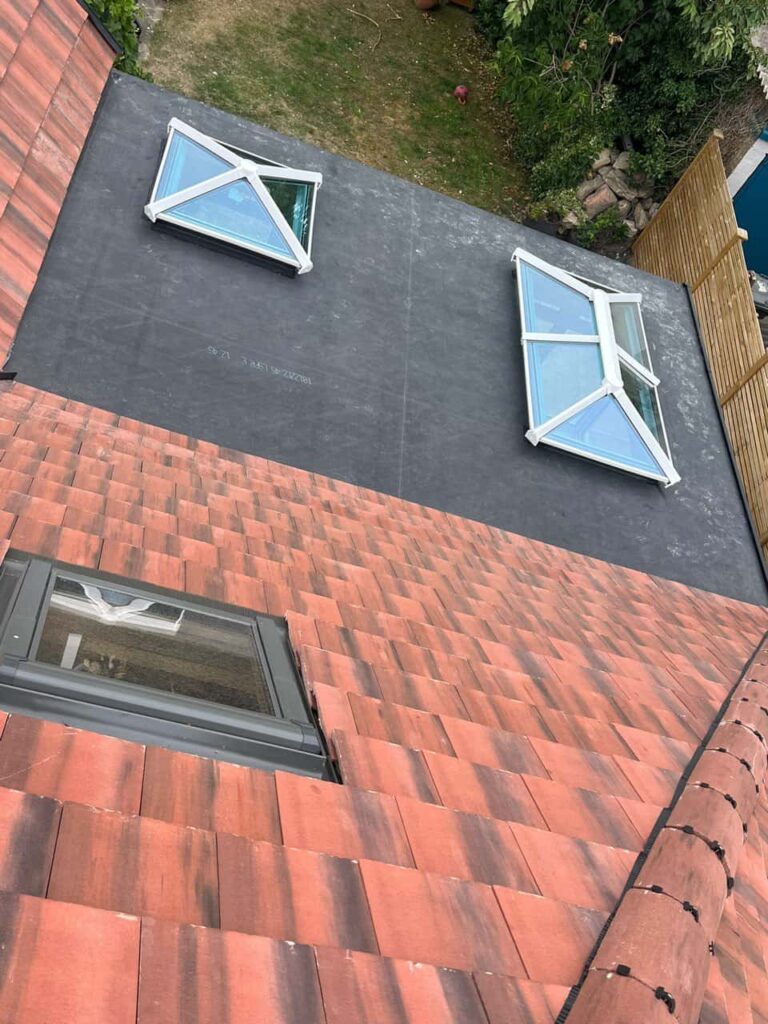
A roof is designed to protect a property for decades, but its condition can gradually change in ways that are not always obvious from ground level. Many long-term roofing problems develop quietly, only becoming apparent once damage is already advanced. This is where a professional roof survey plays a crucial role.
For homeowners and property managers in Didcot, Oxfordshire, a roof survey provides clarity, foresight, and confidence by identifying risks early and supporting informed decision-making.
Early Detection of Hidden Deterioration
One of the main benefits of a roof survey is its ability to uncover issues that are not immediately visible. Roofing systems are layered, meaning deterioration often starts beneath the surface before external signs appear.
A detailed survey can identify:
- Early moisture ingress beneath roof coverings
- Subtle material fatigue or weakening
- Areas where protective layers are beginning to fail
By detecting these issues early, homeowners can address them before they affect the wider roof structure.
Identifying Patterns That Lead to Long-Term Problems
Isolated issues are not always a major concern, but recurring patterns often indicate underlying risk. A roof survey examines the roof as a complete system rather than focusing on a single visible defect.
This approach helps highlight:
- Areas repeatedly exposed to weather stress
- Sections of the roof ageing faster than others
- Design or drainage features contributing to wear
Understanding these patterns allows for targeted maintenance that reduces long-term risk.
Assessing Structural Integrity Over Time
Structural movement and load stress can develop gradually, particularly as roofing materials age. These changes may not cause immediate failure but can weaken the roof’s ability to perform reliably.
A professional roof survey assesses:
- Roof alignment and consistency
- Signs of sagging or uneven load distribution
- Stress points around joints, edges, and transitions
Identifying these risks early helps prevent progressive structural decline.
Evaluating Drainage and Water Management
Water is one of the most significant long-term threats to roof performance. Poor drainage may not cause immediate leaks but can steadily degrade materials over time.
During a roof survey, professionals assess:
- How effectively water is being directed away
- Areas where water may be pooling or slowing
- Long-term impact of drainage behaviour on roof condition
Correcting drainage-related risks early can significantly extend roof lifespan.
Supporting Proactive Maintenance Planning
A roof survey does more than highlight current issues. It provides insight into how the roof is likely to perform in the future based on its current condition.
This allows homeowners to:
- Plan maintenance before problems escalate
- Avoid reactive decision-making
- Maintain consistent roof performance over time
Proactive planning reduces disruption and uncertainty.
Reducing Unexpected Roof Failures
Many major roofing failures occur because early warning signs were missed or misunderstood. A roof survey reduces this risk by offering a clear, professional overview of roof health.
With accurate information, homeowners can:
- Make informed decisions with confidence
- Reduce the likelihood of sudden roof-related issues
- Protect the property’s long-term condition
This peace of mind is one of the most valuable outcomes of a professional survey.
The Value of Professional Expertise
Interpreting roof condition accurately requires experience and technical knowledge. A professional survey ensures that findings are meaningful and relevant, rather than based on guesswork.
Expert assessment provides:
- Clear explanations of current and future risks
- Practical guidance tailored to the specific roof
- Confidence that decisions are based on fact
This professional insight is essential for long-term roof care.
Conclusion
A roof survey helps identify long-term risks by uncovering hidden deterioration, assessing structural integrity, evaluating drainage performance, and highlighting patterns that may lead to future problems. Rather than reacting to damage once it occurs, a survey supports proactive maintenance and informed planning.
For homeowners in Didcot, Oxfordshire, LS Roofing Didcot provides professional roof surveys designed to protect long-term roof performance and reduce future risk. With expert assessment and clear guidance, homeowners can make confident decisions that safeguard their property for years to come.
Call us on: 01235 423 795
Click here to find out more about LS Roofing Didcot
Click here to complete our contact form and see how we can help with your roofing needs.