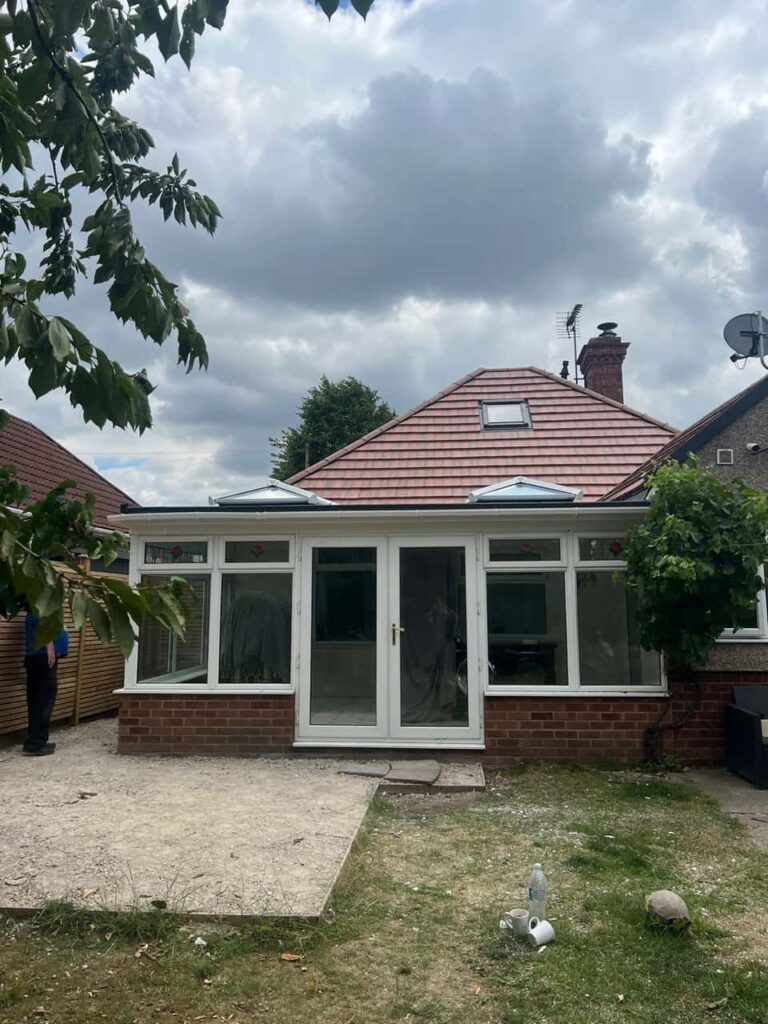
Spotting a missing roof tile can understandably cause concern. A gap in the roof covering creates an obvious vulnerable point, particularly during periods of heavy rain and strong winds. However, one missing tile does not normally mean that an otherwise sound roof requires complete replacement. In many cases, it is a localised defect that can be dealt with through professional roof repair.
The important question is why the tile has come away and what condition the surrounding roofing system is in. For homeowners in Didcot, Oxfordshire, LS Roofing Didcot can assess the affected area and determine whether a straightforward tile repair is sufficient or whether the missing tile is one sign of wider roof deterioration.
A Single Missing Tile Is Often a Localised Problem
Roof tiles can become displaced for several reasons. Strong winds may lift a vulnerable tile, an ageing fixing may fail, or an already damaged tile may eventually break away.
If the remainder of the roof is in good condition, replacing the missing tile and checking the surrounding area may be all that is required.
A typical assessment will consider:
- The condition of neighbouring tiles
- Whether the tile fixings remain secure
- The condition beneath the missing tile
- Whether water has already entered
- Whether other areas show similar deterioration
This distinction is important because roof replacement should not be recommended simply because one isolated component has failed.
Why a Missing Tile Should Still Be Taken Seriously
A small gap can expose more vulnerable materials
Although a missing tile may be a relatively minor repair, leaving it unresolved can create additional problems.
Tiles form the primary weather-resistant covering of a pitched roof. Once one is missing, the layers beneath receive greater exposure to rain and wind.
Depending on the roof construction and location of the damage, this can increase the risk of:
- Water reaching the underlay
- Moisture entering through existing weaknesses
- Nearby tiles becoming disturbed
- Further deterioration around the exposed area
- Internal signs of water ingress
Prompt attention is therefore advisable even when the repair itself is relatively straightforward.
What Causes Individual Roof Tiles to Go Missing?
Understanding why the tile has disappeared helps determine whether the problem is genuinely isolated.
Strong winds
Wind can place considerable pressure on roof coverings. A tile that is already slightly loose may be displaced during particularly windy conditions.
Failed fixings
Roof tiles depend on appropriate fixing methods to remain secure. Older fixings can deteriorate, potentially allowing tiles to move.
Cracked or weakened tiles
A tile may have developed damage before eventually breaking or becoming dislodged.
General roof ageing
As roofing systems become older, individual components can become increasingly vulnerable. One missing tile may therefore warrant checking whether neighbouring materials are beginning to show similar wear.
When Is Replacing the Tile Usually Enough?
A localised repair is generally appropriate when the missing tile is an isolated defect and the wider roof remains serviceable.
Positive signs may include:
- Surrounding tiles remaining secure
- No widespread cracking or movement
- Underlying materials remaining in suitable condition
- No pattern of recurring tile loss
- No significant deterioration elsewhere on the roof
In these circumstances, replacing the damaged or missing roofing material can restore the affected section without unnecessary work to the rest of the roof.
Why the Surrounding Tiles Need Checking
The missing tile may not be the only vulnerable one
Simply filling the visible gap without inspecting nearby materials can overlook the reason the problem developed.
If several surrounding tiles are loose, heavily weathered or damaged, another tile could become displaced soon afterwards.
A professional roofer should therefore inspect the immediate area for:
- Loose tiles
- Cracks and fractures
- Failed fixings
- Movement
- Deteriorated supporting components
This helps ensure the repair addresses the affected area properly rather than only improving its appearance.
What If Rain Has Already Entered?
A missing tile does not automatically mean water will immediately appear inside the property. Roofing systems contain additional layers designed to provide protection beneath the main covering.
However, prolonged exposure can become more problematic, particularly if the underlay is old or already damaged.
Signs worth investigating include:
- Damp patches in the loft
- Water staining
- Moisture around roof timbers
- Ceiling marks following rainfall
If these symptoms are present, the inspection should establish both where water entered and whether any additional roofing defects require attention.
When Can Missing Tiles Indicate a Bigger Roofing Problem?
Repeated tile loss changes the situation
One missing tile and repeated missing tiles are very different roofing problems.
If tiles regularly become loose or disappear from different sections, this may indicate more widespread deterioration.
Potential warning signs include:
- Numerous slipped or missing tiles
- Repeated repairs in different areas
- Widespread cracking
- Deteriorated fixings
- Ageing underlay and battens
- Recurring roof leaks
At this stage, continually replacing individual tiles may address the immediate symptoms without resolving the wider condition of the roof.
When Might Roof Replacement Become More Appropriate?
Complete replacement becomes worth considering when the roofing system has deteriorated extensively rather than because of one missing tile alone.
Examples may include:
- Large sections of failing roof covering
- Numerous unstable tiles
- Extensive deterioration beneath the tiles
- Multiple recurring leaks
- Widespread age-related failure
- Repairs becoming necessary increasingly often
Re-roofing allows the existing covering to be removed so that underlying components can also be assessed and renewed where required.
The decision should always be based on the condition of the complete roof.
Repairing Early Can Prevent Wider Deterioration
One of the strongest reasons to deal with a missing tile promptly is that a straightforward defect is generally easier to manage before surrounding components become affected.
Early repair can help:
- Restore weather protection
- Reduce exposure of the underlay
- Protect nearby roofing materials
- Prevent moisture from exploiting the opening
- Maintain the wider roof in serviceable condition
Waiting until water becomes visible inside the property can allow an otherwise localised issue to develop further.
Why Professional Assessment Matters
Not every missing tile tells the same story
From ground level, two roofs with missing tiles might appear to have exactly the same problem. Closer inspection may reveal very different conditions.
One roof may require only a straightforward tile replacement. Another may have several loose tiles, deteriorated fixings and ageing materials beneath the covering.
Professional assessment allows the visible defect to be considered alongside:
- Roof age and condition
- Previous repairs
- Surrounding tile stability
- Underlying materials
- Signs of water ingress
- The cause of the tile displacement
This provides a much stronger basis for deciding between repair and more extensive roofing work.
Professional Roof Repairs in Didcot
At LS Roofing Didcot, we provide professional roofing services for properties throughout Didcot, Oxfordshire. When dealing with missing or slipped tiles, our focus is on identifying why the problem has occurred and assessing the surrounding roof before recommending suitable work.
Where damage is genuinely localised, a professional repair can restore the affected area and help maintain the existing roof. If inspection reveals wider deterioration, we can advise on the more appropriate solution based on the overall condition of the roofing system.
Conclusion
A missing roof tile is usually a repair issue rather than a reason for complete roof replacement, particularly when the rest of the roof remains sound. However, the missing tile should not simply be ignored or replaced without considering why it became displaced.
Repeated tile loss, widespread deterioration, recurring leaks and problems with underlying roofing components can indicate that the issue extends beyond one tile. A proper inspection is therefore the best way to establish whether a local repair is sufficient.
If you have noticed a missing or slipped roof tile on your property in Didcot, Oxfordshire, contact LS Roofing Didcot. Our experienced team can assess the affected area, identify any surrounding defects and recommend the most appropriate roofing solution to restore reliable protection to your home.
Call us on: 01235 423 795
Click here to find out more about LS Roofing Didcot
Click here to complete our contact form and see how we can help with your roofing needs.